News

Deciphering the olfactory receptor code
31 Aug 2015

Deciphering the olfactory receptor code

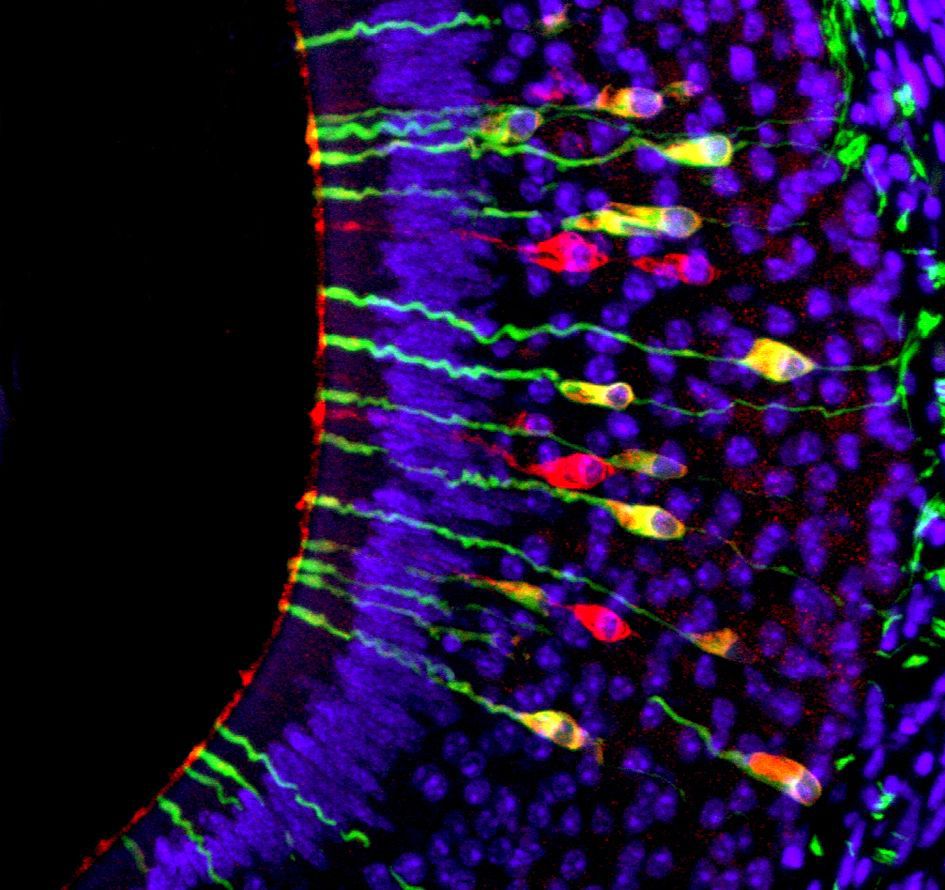
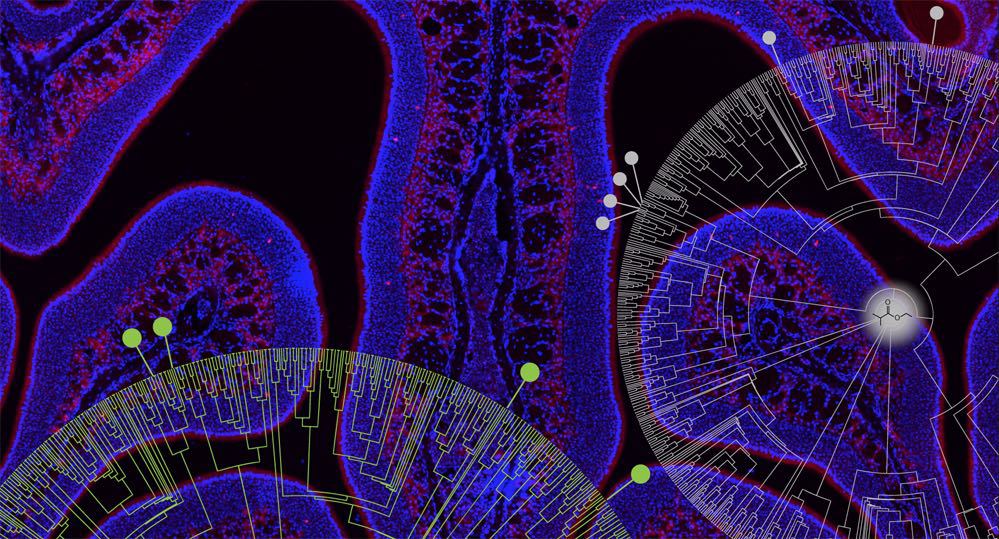
A tool to identify all the receptors activated by a specific smell, in species ranging from mice to flies, was developed at UNIGE.
Monitoring marine biodiversity in the genomic era
16 Jul 2015

Monitoring marine biodiversity in the genomic era

Jan Pawlowski is the coordinator of an international project funded by the Swiss Network for International Studies
R2OBBIE-3D: scanning Life with high resolution
08 Jun 2015

R2OBBIE-3D: scanning Life with high resolution

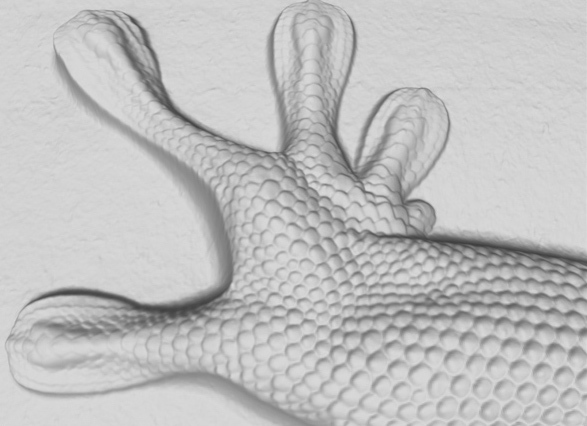
In a paper recently published in PLOS ONE, the laboratory of Prof. Michel Milinkovitch reports on R2OBBIE-3D, a robotic integrated system that generates accurate 3D models of biological objects
Four to eleven species of Panther Chameleons uncovered
26 May 2015

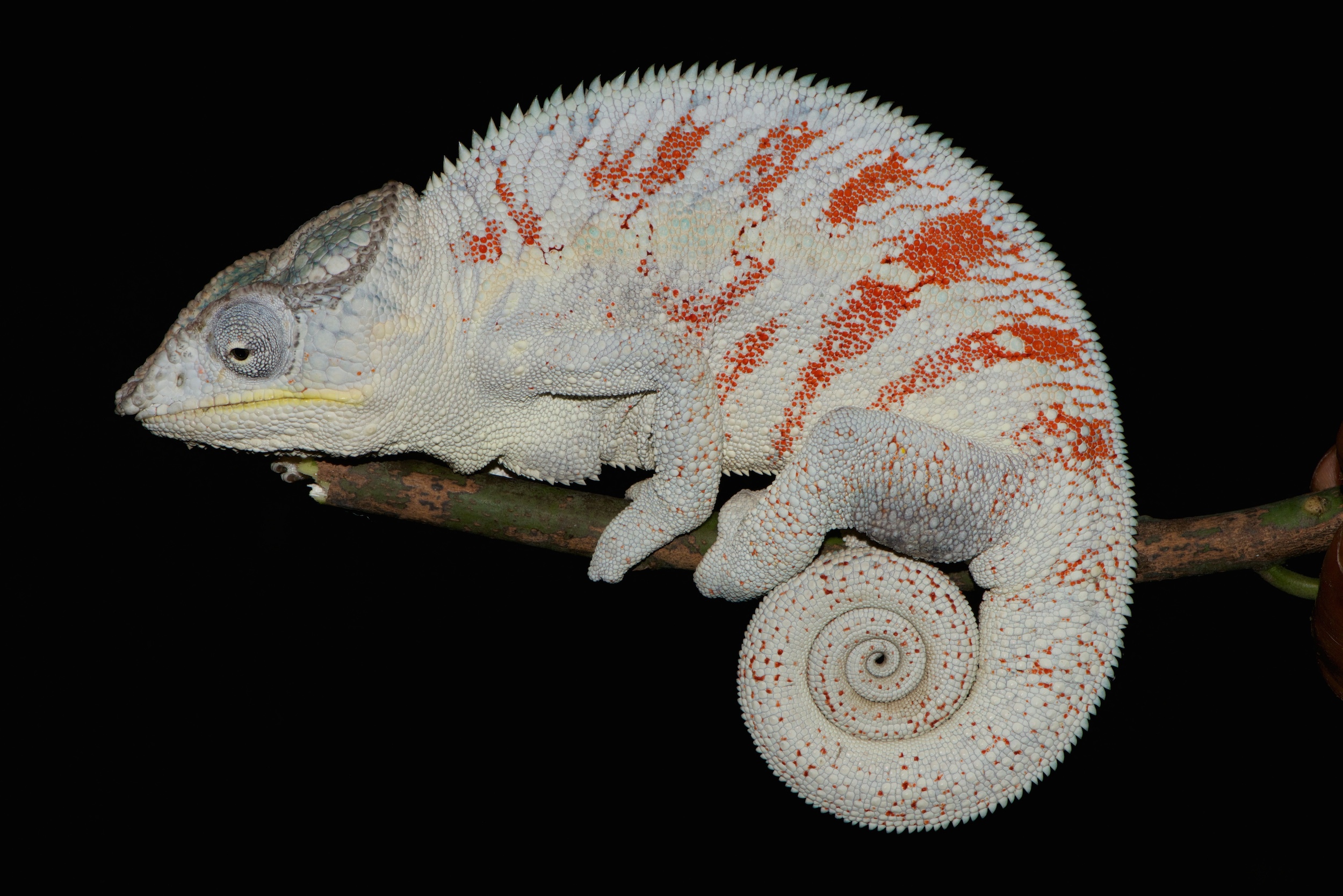
Four to eleven species of Panther Chameleons uncovered

Recently, results of biophysical analyses performed by the group of Prof Michel Milinkovitch made the buzz as the researchers discovered that chameleons shift colour through active tuning of a lattice of guanine nanocrystals within specialised skin cells rather that by dispersion/aggregation of pigments.
The fly’s time
21 May 2015

The fly’s time

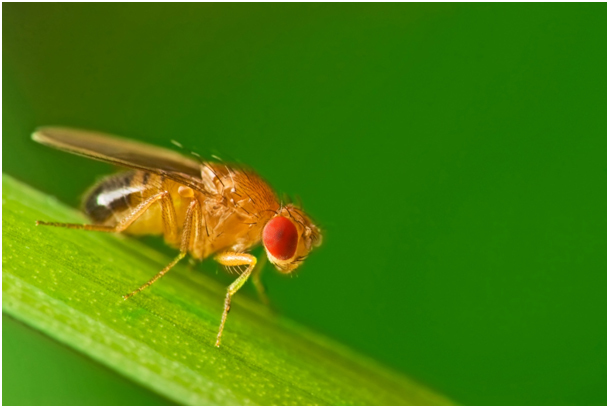
The biological clockwork of human beings and flies is comparable
The chameleon reorganizes its nano-crystals to change colors
11 Mar 2015

The chameleon reorganizes its nano-crystals to change colors

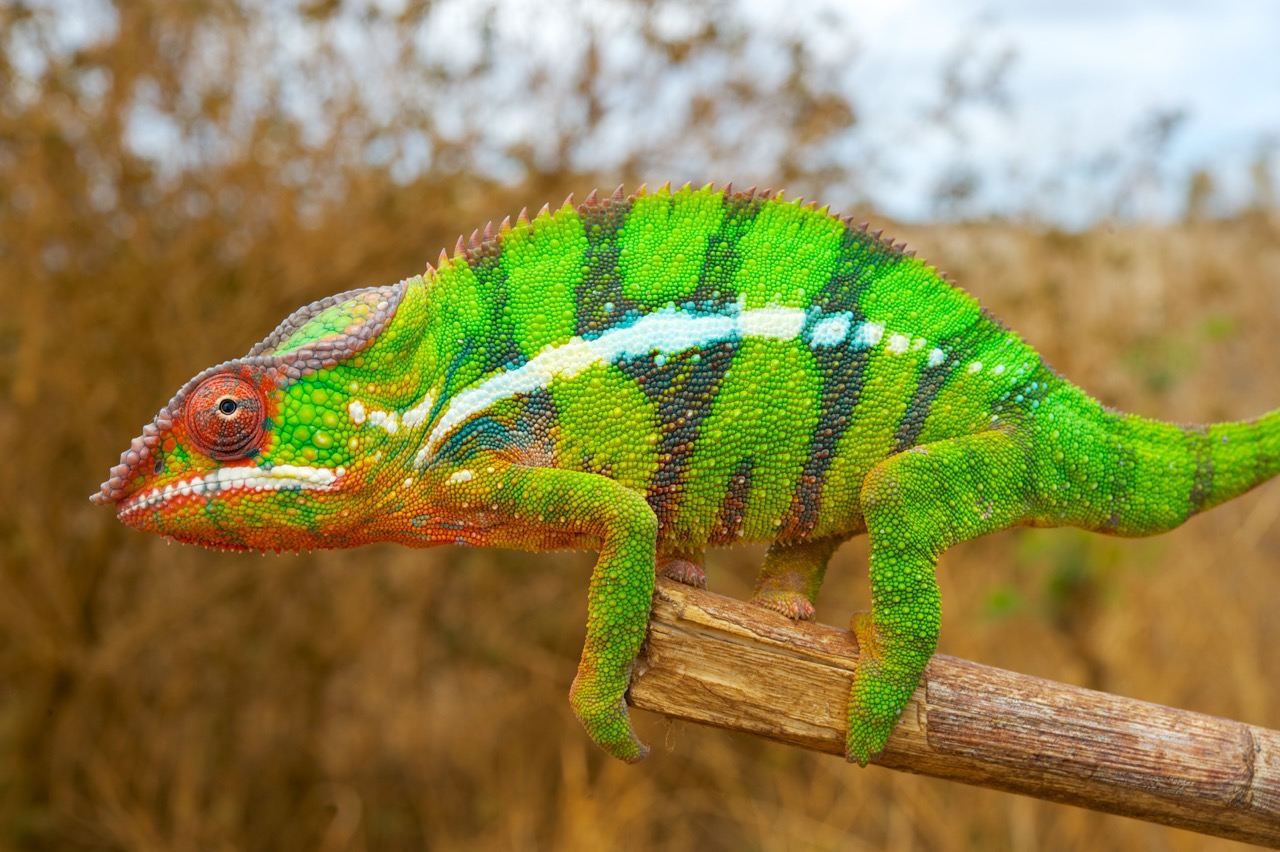
Many chameleons have the remarkable ability to exhibit complex and rapid color changes during social interactions. A collaboration between the teams led by professors Michel Milinkovitch and Dirk van der Marel, unveils the mechanisms that regulate this phenomenon.
A mathematical model for protecting waterfrogs: revamping Malagnou's heritage
03 Feb 2015

A mathematical model for protecting waterfrogs: revamping Malagnou's heritage

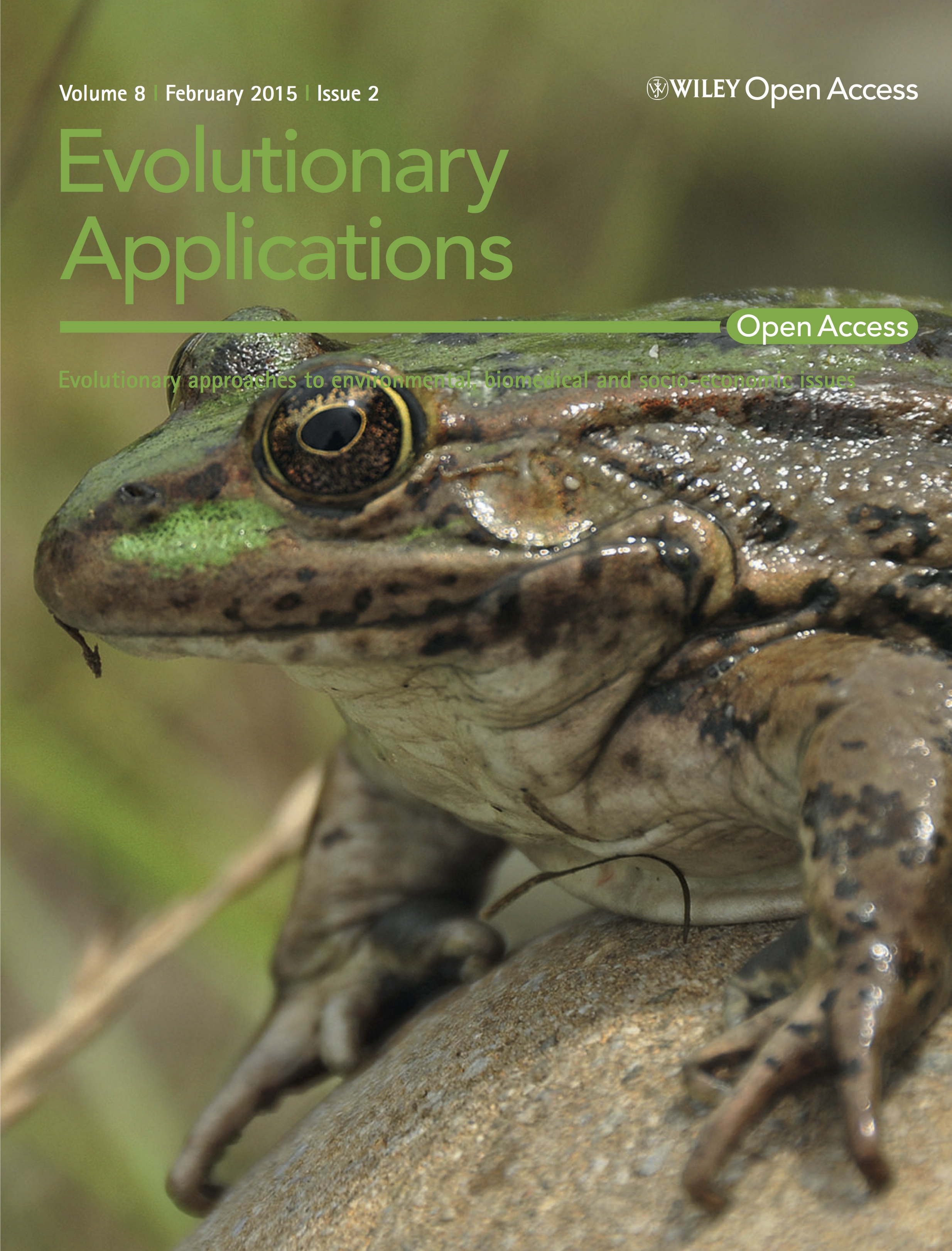
Reproductive barriers between species can sometimes be overcome in nature, producing hybrids that may be fertile. This process results in demographic interactions between species and, in some cases, is accompanied by genetic introgression. However, human introduction of invasive species increases the occurrence of this phenomenon, potentially threatening native species.
Neurons that detect disease
16 Jan 2015

Neurons that detect disease

Life in a group entails a major risk: that of being exposed to contagious pathogens. To counter this danger, different strategies have evolved in social species. In the case of rodents, specific olfactory signals emitted by sick individuals induce avoidance behavior among their peers.
Evolution: the genetic connivances of digits and genitals
24 Nov 2014

Evolution: the genetic connivances of digits and genitals

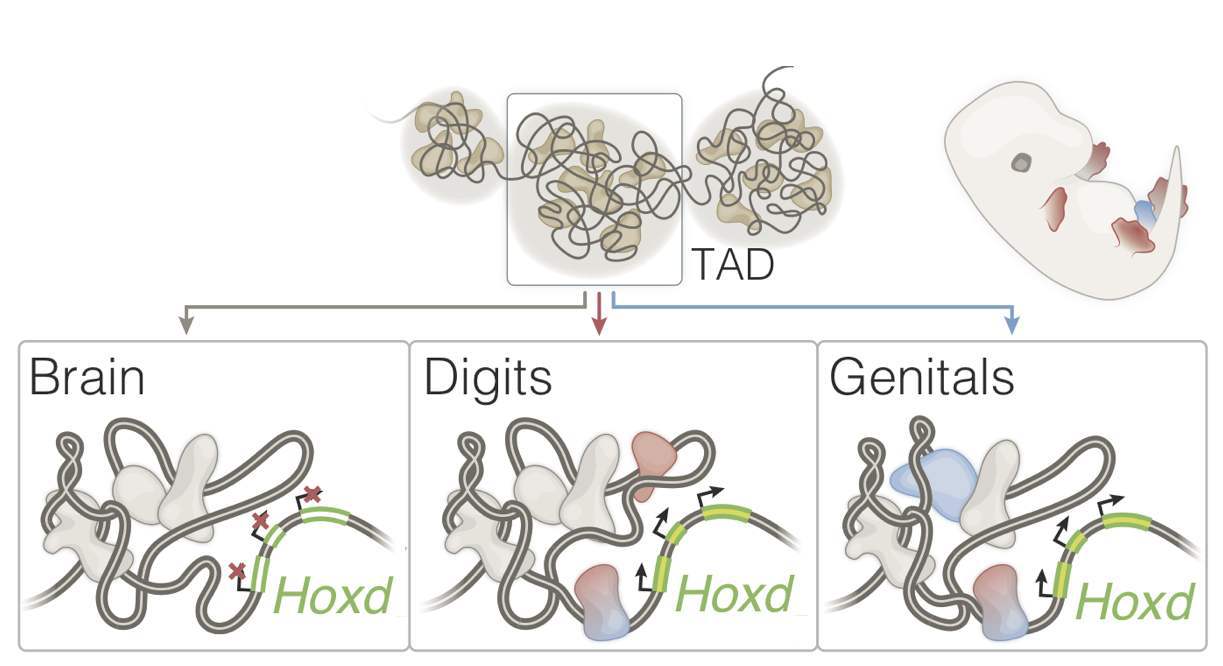
During the development of mammals, the growth and organization of digits are orchestrated by Hox genes, which are activated very early in precise regions of the embryo. These “architect genes” are themselves regulated by a large piece of adjacent DNA. A study led by Denis Duboule, professor at the University of Geneva (UNIGE) and the Federal Institute of Technology in Lausanne (EPFL), Switzerland, reveals that this same DNA regulatory sequence also controls the architect genes during the development of the external genitals.
New models for Parkinson’s disease research
23 Nov 2014

New models for Parkinson’s disease research

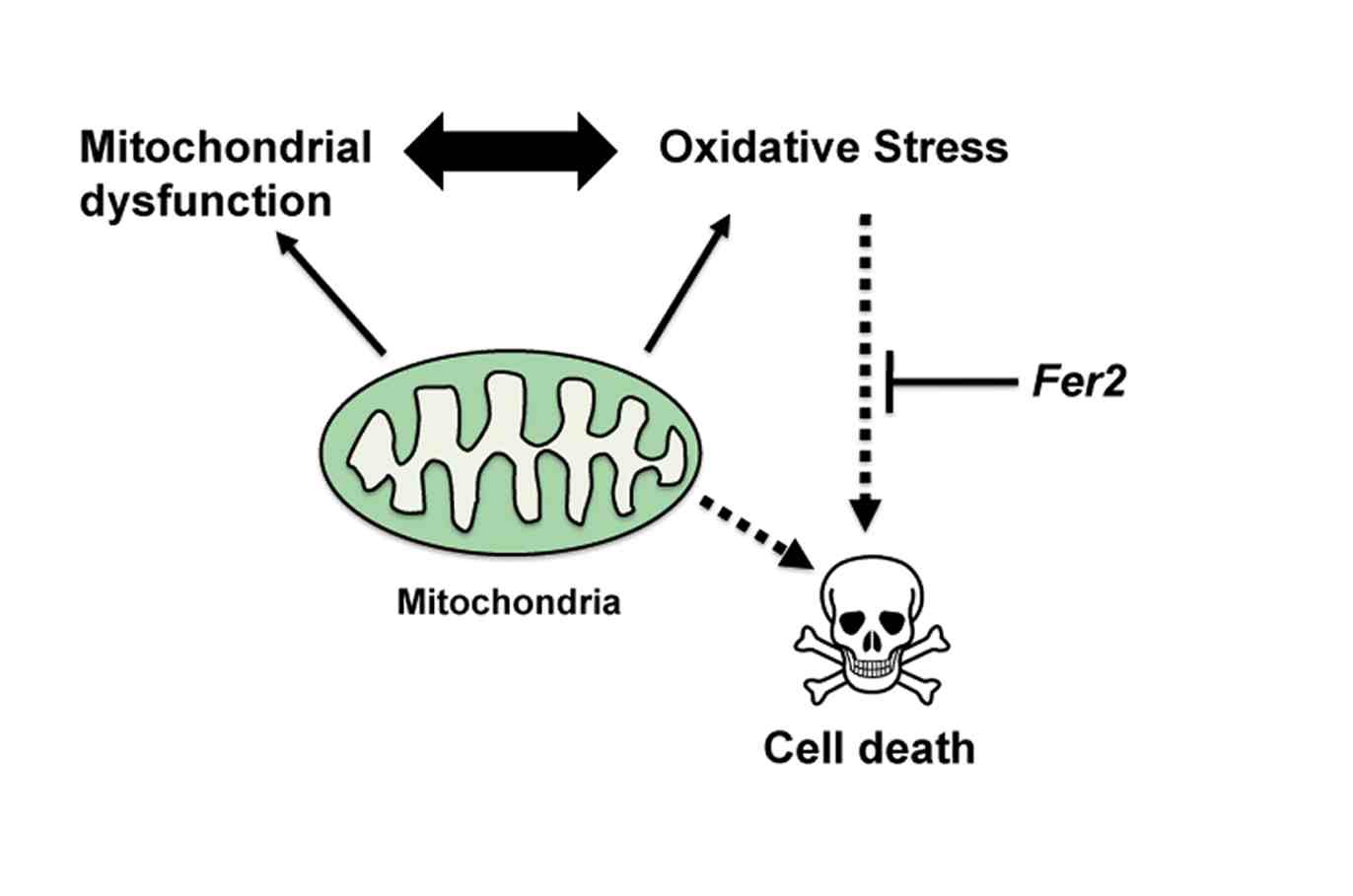
Parkinson’s disease is a common age-related disorder that progressively affects movements. The patients present slowness of movements, stiffness, tremor, loss of balance in early stages that can be manageable by medications. But in advanced stages, patients suffer from the debilitating degree of motor dysfunctions in combination with non-motor symptoms such as cognitive dysfunctions, hallucination and delusion, unable to live alone. Although it has been known that these symptoms mainly arise from the progressive loss of dopaminergic neurons in the midbrain substantia nigra, the underlying mechanism is unknown.
Page