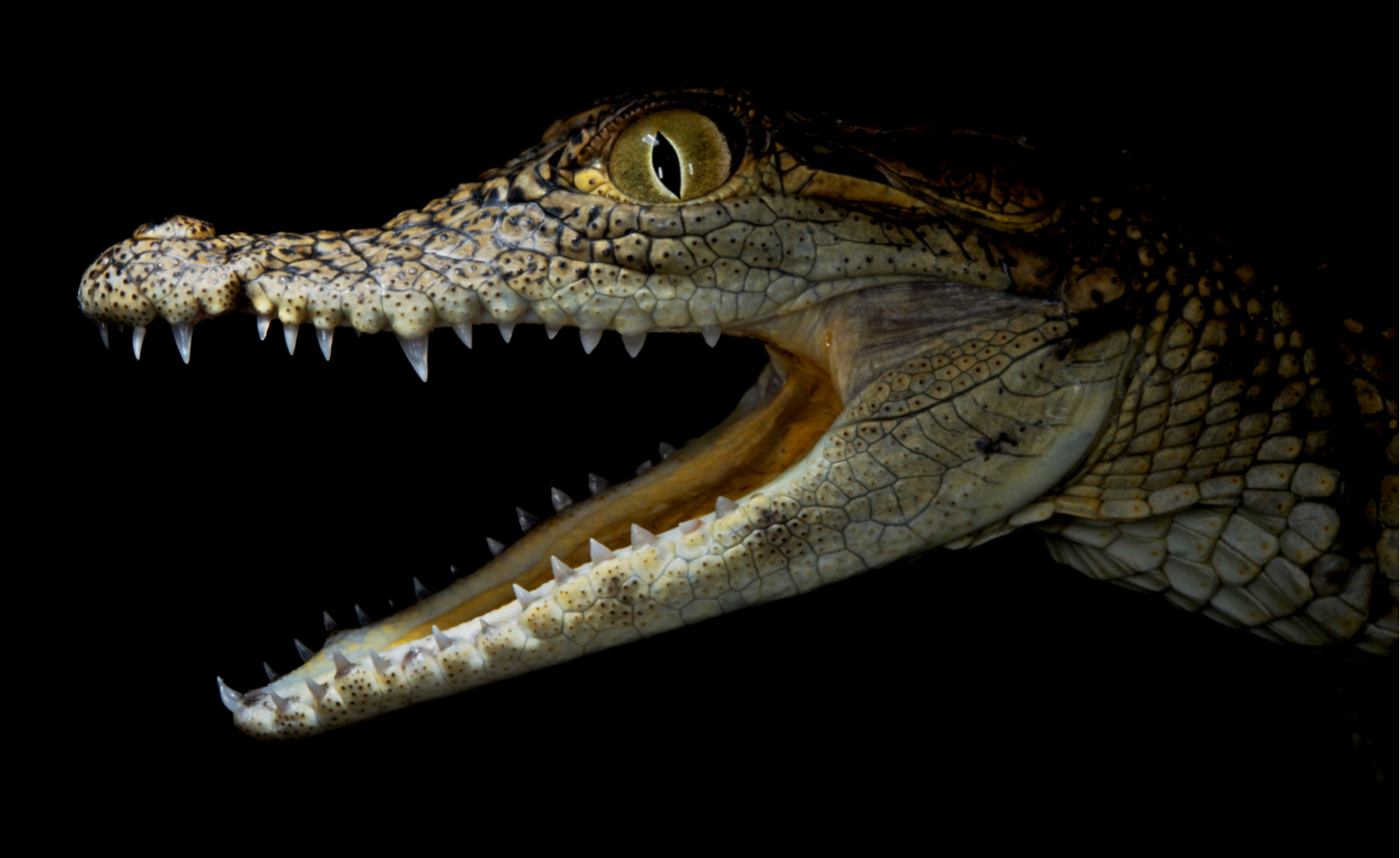
Athanasia Tzika and Michel Milinkovitch have participated to an international study demonstrating that the emergence of mammals from egg-laying reptiles has been facilitated by the capture and recycling of a viral gene.
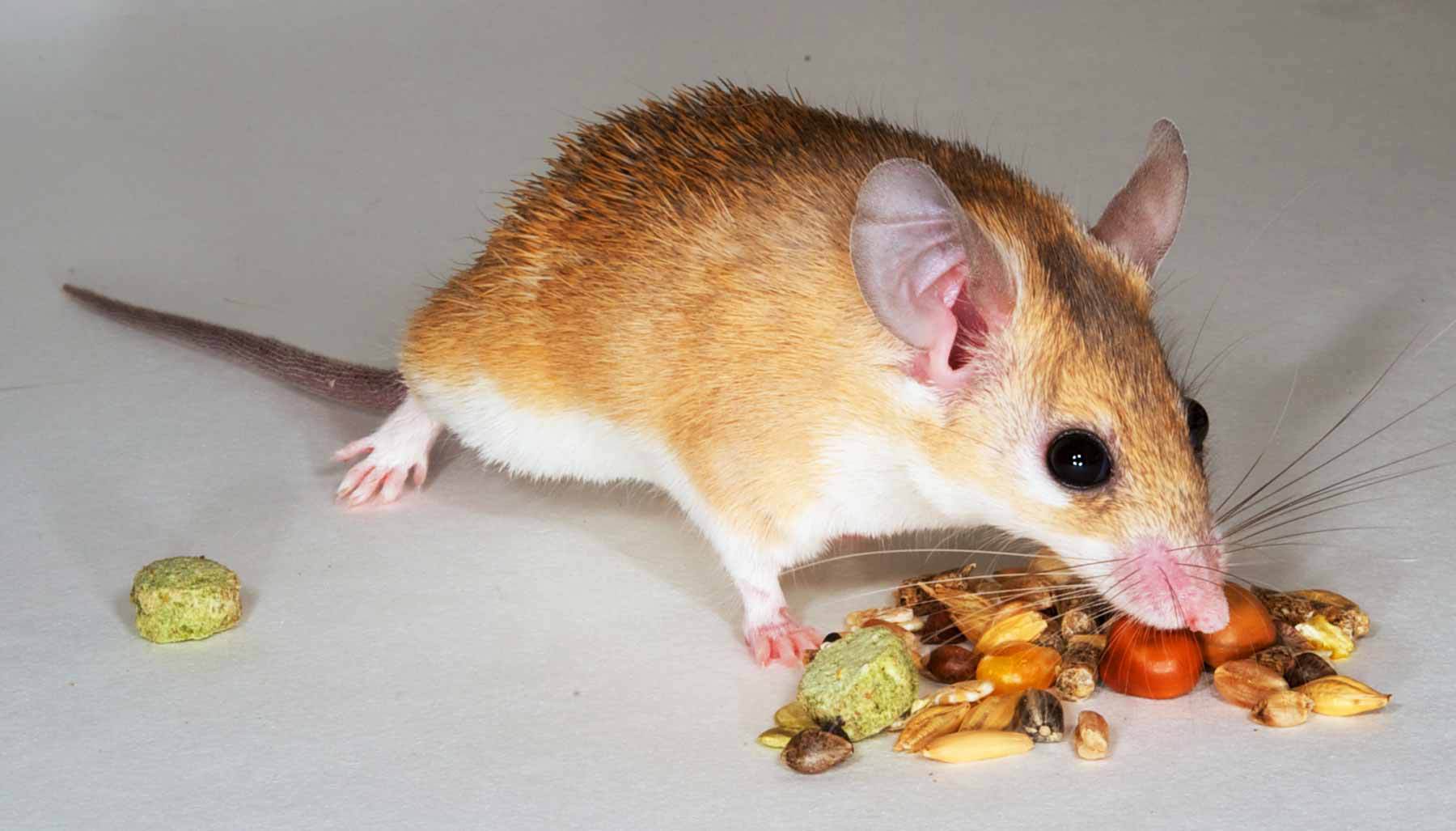
The group of Michel Milinkovitch has recently published a study showing how hair follicle morphogenesis has been altered during the evolution of the spiny mouse (Acomys dimidiatus), resulting in a shift from ancestral hair follicles to enlarged asymmetrical spines.
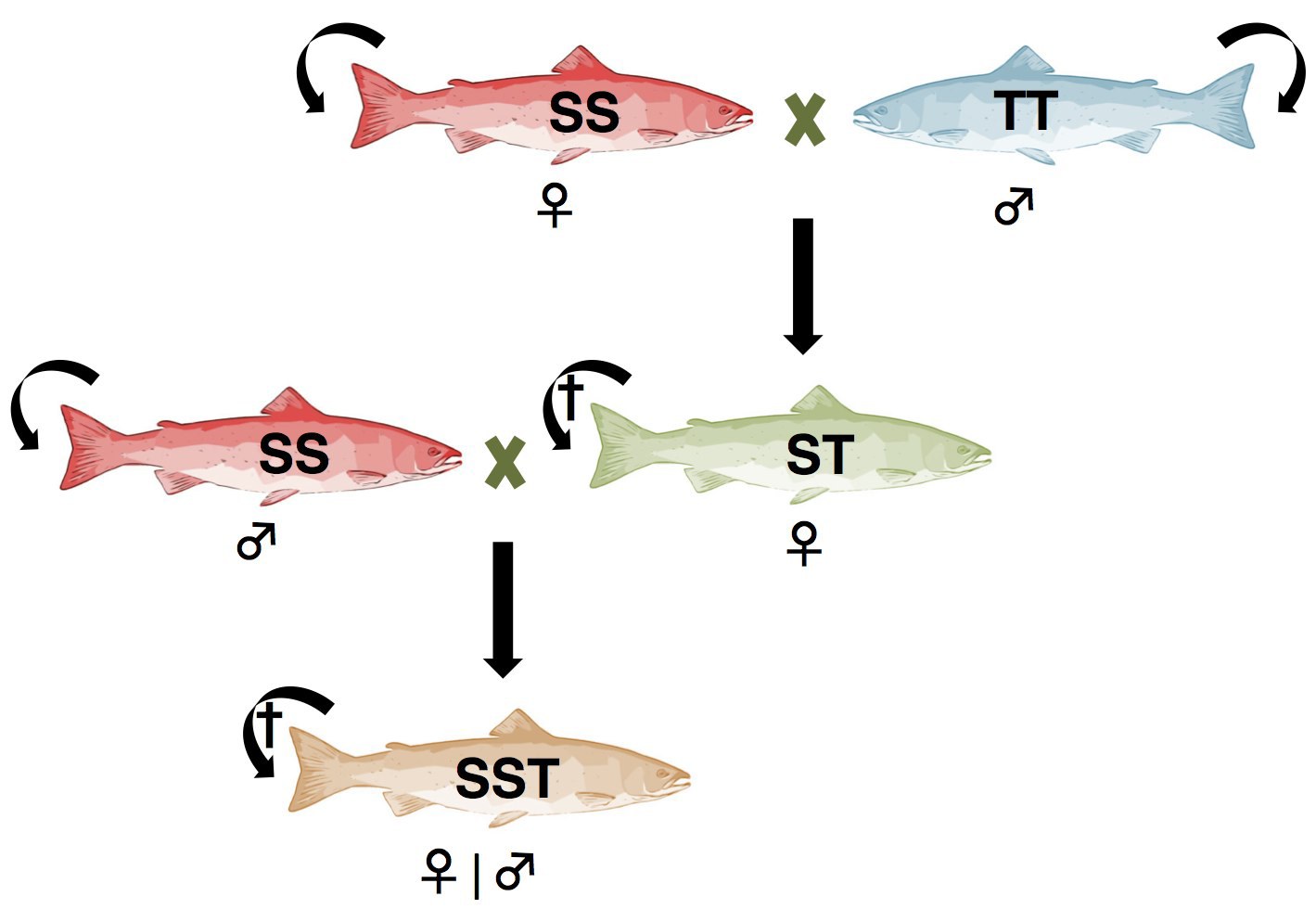
Hybridization between different species is common in nature but can be increased in frequency or even originated by human actions, such as species introduction or habitat modification.
L'article publié en 2013 dans le journal “Science” par l'équipe de Michel Milinkovitch a été repris par “Science in the Classroom”, un portail d'éducation regroupant des documents de recherche annotés et du matériel pédagogique destiné aux enseignants et élèves des écoles secondaires et des universités.
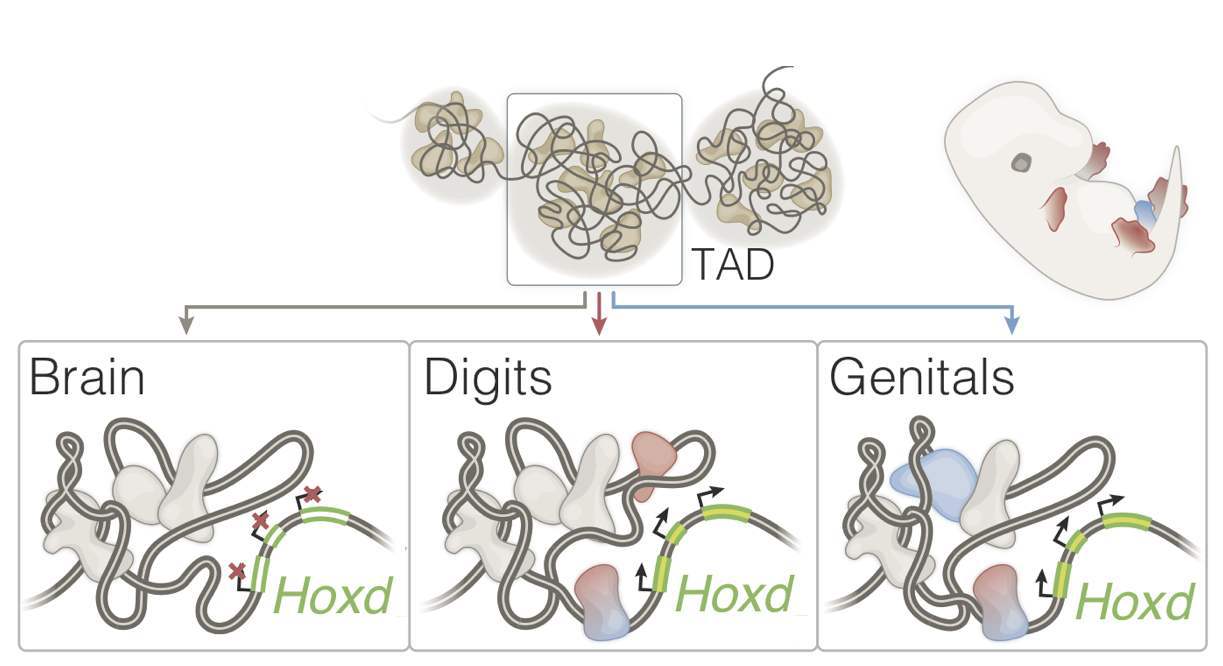
The transition from water to land is one of the most fascinating enigmas of evolution. In particular, the evolution of limbs from ancestral fish fins remains a mystery. Both fish and land animals possess clusters of Hoxa and Hoxd genes, which are necessary for both fin and limb formation during embryonic development.
In a recent study published in Genome Biology and Evolution, Yvan Wenger and Brigitte Galliot compared the human proteome with the proteomes of 23 eukaryotes to trace the emergence of human proteins and to infer the timing of acquisition of novel traits throughout metazoan evolution.
Milinkovitch’s lab reveals that elephant skin cracks as a stiff epidermis bends over microscopic bumps, forming a water‑retaining network for cooling. Their study of the trunk’s simple deformation patterns is now informing flexible soft‑robotic grippers.